LANSING, Mich. — Dennco supports House Speaker Matt Hall's decision to withhold transmission of nine bills currently at the center of a constitutional dispute between the Michigan House and Senate. While Senate Democrats have asked the Michigan Supreme Court to order the bills sent to Governor Gretchen Whitmer, we believe this lawsuit represents an unnecessary escalation that places politics ahead of sound governance.
Speaker Hall has argued that the legislation deserved careful review before imposing potentially significant long-term obligations on Michigan taxpayers and local governments. Dennco Holding Company agrees that legislation with substantial fiscal implications warrants careful scrutiny before becoming law..
The package consisted of nine bills covering several unrelated policy areas. Three bills would establish a History Museum Authority Act and authorize funding for county history museum authorities. Three others would expand eligibility and service-credit options under the Michigan State Police Retirement Plan. The remaining bills included measures affecting public employee health insurance contributions and additional protections for debtors in bankruptcy and garnishment proceedings. Together, the package carried legal, administrative, and fiscal implications that became central to the dispute between the House, Senate, and Governor's Office.
The House exists not simply to pass legislation, but to exercise oversight and ensure that government acts responsibly. When legitimate constitutional and fiscal questions remain unresolved, taking additional time is not obstruction—it is prudent leadership.
At DNN News, we are concerned that some House Democrats appear more interested in forcing legislation across the finish line than examining its long-term economic impact. Rather than working collaboratively with House leadership to address concerns, they have chosen litigation to compel action through the courts.
We respectfully disagree with that approach.
The Michigan Supreme Court plays an essential constitutional role, but disputes between the legislative chambers should, whenever possible, be resolved by the Legislature itself—not by judicial intervention. Using the courts to accelerate legislation risks upsetting the constitutional balance between Michigan's co-equal branches of government.
More importantly, Michigan faces far greater challenges than expanding government obligations.
As the national economy rapidly shifts toward artificial intelligence, advanced manufacturing, semiconductor production, and large-scale digital infrastructure, Michigan should be asking a far different question:
"How do we grow our tax base instead of redistributing the one we already have?"
The state has an opportunity to compete for billions of dollars in private investment, including emerging AI infrastructure, cloud computing facilities, advanced manufacturing, and next-generation energy projects. Those investments create jobs, expand the tax base, and generate sustainable revenue for schools, roads, public safety, and local governments without increasing long-term burdens on existing taxpayers.
Executive Statement
"We stand behind Speaker Matt Hall's decision to slow the process and ensure Michigan fully understands the long-term consequences of these bills before they become law. Fiscal discipline isn't about saying 'no' to progress—it's about making sure progress is sustainable. Michigan's future depends on creating new industries, attracting investment, and expanding our tax base. That is where our energy should be focused."
— Dustin L. Bayn
Chief Executive Officer, Dennco Holding Company
At DNN News, we believe Michigan's greatest opportunity lies in economic expansion—not simply expanding government commitments. Responsible budgeting and economic growth are complementary goals, and lawmakers should prioritize policies that attract investment, create jobs, and strengthen Michigan's long-term competitiveness.
Sources
- Michigan Supreme Court case documents, Senate v. House of Representatives, regarding the presentment dispute over nine bills: https://www.courts.michigan.gov
- Michigan Public, Michigan Supreme Court weighs whether House can block bills from governor's desk, May 2026.
- Michigan Advance, Michigan Supreme Court hears arguments on whether nine approved bills must be sent to governor, May 2026.
- Statements from House Speaker Matt Hall regarding the presentment dispute and fiscal concerns, House Republican communications.
Related Story:

Today: Whitmer Vetoes Nine Bills, Citing Fiscal Responsibility as Michigan Looks Toward Economic Growth
Governor Gretchen Whitmer has vetoed a package of nine bills that reached her desk after the Michigan Supreme Court ordered they be formally presented, concluding a months-long constitutional dispute between the Michigan House and Senate. In her veto messages, Whitmer stated that signing the legislation would create significant legal, administrative, and fiscal challenges because the bills were passed during a previous legislative session but were not transmitted to the governor in a timely manner.
Continue reading
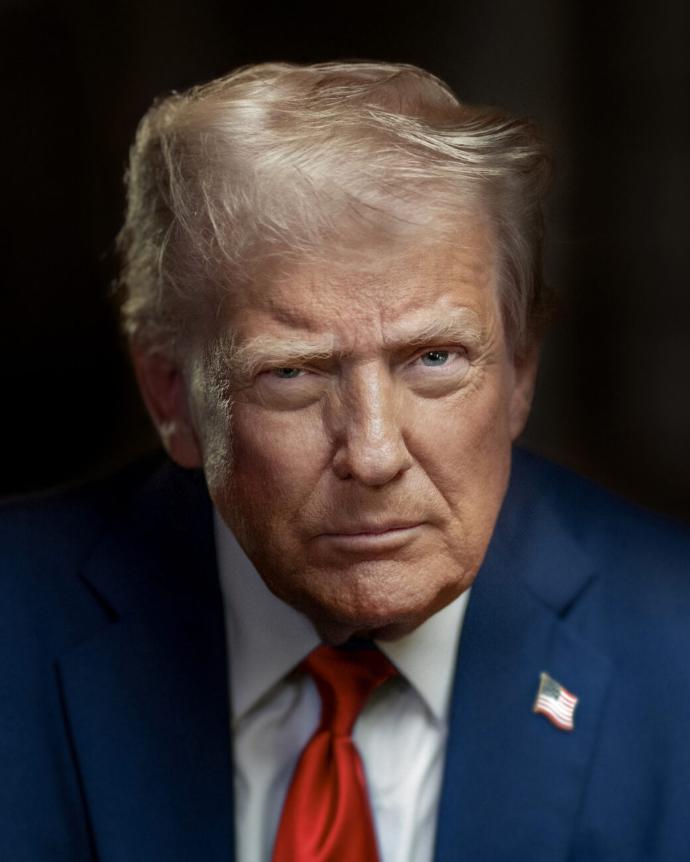
The Trump Administration Is Building the Foundation for America’s Next Technological Era
Washington D.C. —The United States is entering a period in which technological capacity will determine economic strength, military readiness and national independence. Artificial intelligence, advanced semiconductors, robotics, nuclear energy, quantum computing, space systems and automated manufacturing are no longer isolated industries. They are becoming the infrastructure upon which nearly every other industry will depend.
Continue reading